
Decluttering Your Home in the New Year
A Fresh-Start Reset:
Touch Every Item, Reclaim Every Space

There’s something powerful about the new year — a quiet reset, a deep breath, a chance to start again…not just in our calendars, but in our homes.
If you’ve ever opened a closet and felt overwhelmed…
If you’ve ever moved something from one room to another just to “deal with it later”…
If you’ve ever thought, Why do I even still have this?
You’re not alone.
This year, instead of making vague resolutions, let’s make a meaningful one:
Touch every single item in your home, and decide, with intention, what stays in your life…and why.
Try not to focus on perfection. Aim for clarity, calm, and creating space for what matters most.
Why “Touch Every Item” Changes Everything
Most of us declutter in pieces — a drawer here, a shelf there, but what actually creates transformation is full awareness.
When you physically touch each item, you’re forced to answer one honest question:
Does this deserve space in my life right now and in the near future?
That moment of decision is powerful. It turns decluttering from a task into a reset ritual.
And the best part? You don’t have to do it all at once.
Why Touching Every Item in Your Home Matters
Decluttering often gets framed as a task: a weekend project, a checklist, a before-and-after photo opportunity. But when you commit to touching every single item in your home, something deeper happens. It stops being about organizing things—and starts becoming about understanding yourself.
Touching every item forces presence. You can’t autopilot your way through it. You can’t skip past decisions.
Each object asks a quiet but powerful question:
“Do I still belong in your life?”
Awareness Changes Everything
Most of us don’t realize how much we’ve accumulated until we physically engage with it. Items enter our homes slowly…one purchase, one gift, one “just in case” decision at a time. Because it happens gradually, it rarely feels excessive, but touching every item brings that accumulation into sharp focus.
Suddenly, you see it:
How many years you’ve been holding onto things for a version of life that no longer exists?
How much space is taken up by items you don’t remember buying?
How full your home has become without your conscious consent?
This awareness is meant to bring clarity.
The Moment You Notice the Duplicates
One of the most eye-opening parts of touching every item is discovering just how many duplicates we own.
FOR EXAMPLE:
Three spatulas. Five phone chargers. Six black sweaters that all look slightly different. Four half-used notebooks. Two (or five) versions of the same tool.
Duplicates are rarely intentional. They’re born from:
Convenience purchases
Forgetting what we already own
“This one might be better” thinking
Buying to solve a momentary problem
When you physically hold each duplicate, patterns emerge. You begin to see how often we buy replacements instead of reassessing what we already have. This awareness alone can permanently change how you shop, store, and consume moving forward.
The process works for help retrain your habits.
Seeing Value Beyond Your Walls
Another shift happens when you touch items that are still useful, yet unused.
The coat that no longer fits your lifestyle.
The chair sitting in a corner, untouched for years.
The kitchen tools that worked perfectly… just not for you.
Touching these items reframes them. They stop being “stuff” and start being resources.
You begin to realize:
These items could actively serve someone else.
What’s collecting dust in your home could create comfort in another.
Keeping useful things unused is stagnant.
This awareness often unlocks generosity…purposeful giving. Letting go becomes less about loss, and more about redirection.
Your home becomes lighter, and your impact becomes wider.
Ownership Becomes Intentional
When you’ve touched every item, ownership changes meaning.
You stop seeing things as background clutter and start seeing them as choices. You realize that everything you keep requires:
Space
Maintenance
Mental energy
That realization brings a powerful shift: You begin to choose what you own, instead of reacting to it.
This is where decluttering stops being a one-time event and becomes a mindset. You begin to ask better questions before new items enter your home:
Do I already own something that serves this purpose?
Where will this live?
Will I still value this a year from now?
Touching every item teaches discernment and intentionality.
The Emotional Reset
Perhaps the most profound impact is emotional. As you touch objects connected to past seasons (old hobbies, outdated goals, former versions of yourself) you’re given permission to acknowledge growth. You honor where you’ve been without being required to carry it forward.
Letting go becomes an act of self-respect. You create space not just in drawers and closets, but in your mind. Decisions become easier. Your home feels calmer. Your relationship with “things” becomes healthier and more intentional…less dependent.
A New Relationship With Stuff
Touching every item guides towards mindfulness. You don’t end with less, just for the sake of less. You end with what matters.
That’s the real power of it:
Awareness replaces overwhelm.
Intention replaces accumulation.
Purpose replaces possessions.
Your home stops being a storage unit for the past and becomes a space that supports your present, and welcomes your future.

The 3-Month Declutter Philosophy
Slow, intentional, and actually sustainable
Trying to declutter your entire home in a weekend often leads to burnout and half-finished piles.
Instead, imagine this:
3 months of purposeful purging
Bite-sized zones of inspection
Clear goals to greater spatial awareness
No overwhelm; more intentionality
By spreading the process out, you allow space for thoughtful decisions…and real change.
Month 1: The Easy Wins (Momentum Matters)
This month is about confidence and flow. We start where decisions are simpler and results are visible fast.
Focus Areas:
Entryways & drop zones
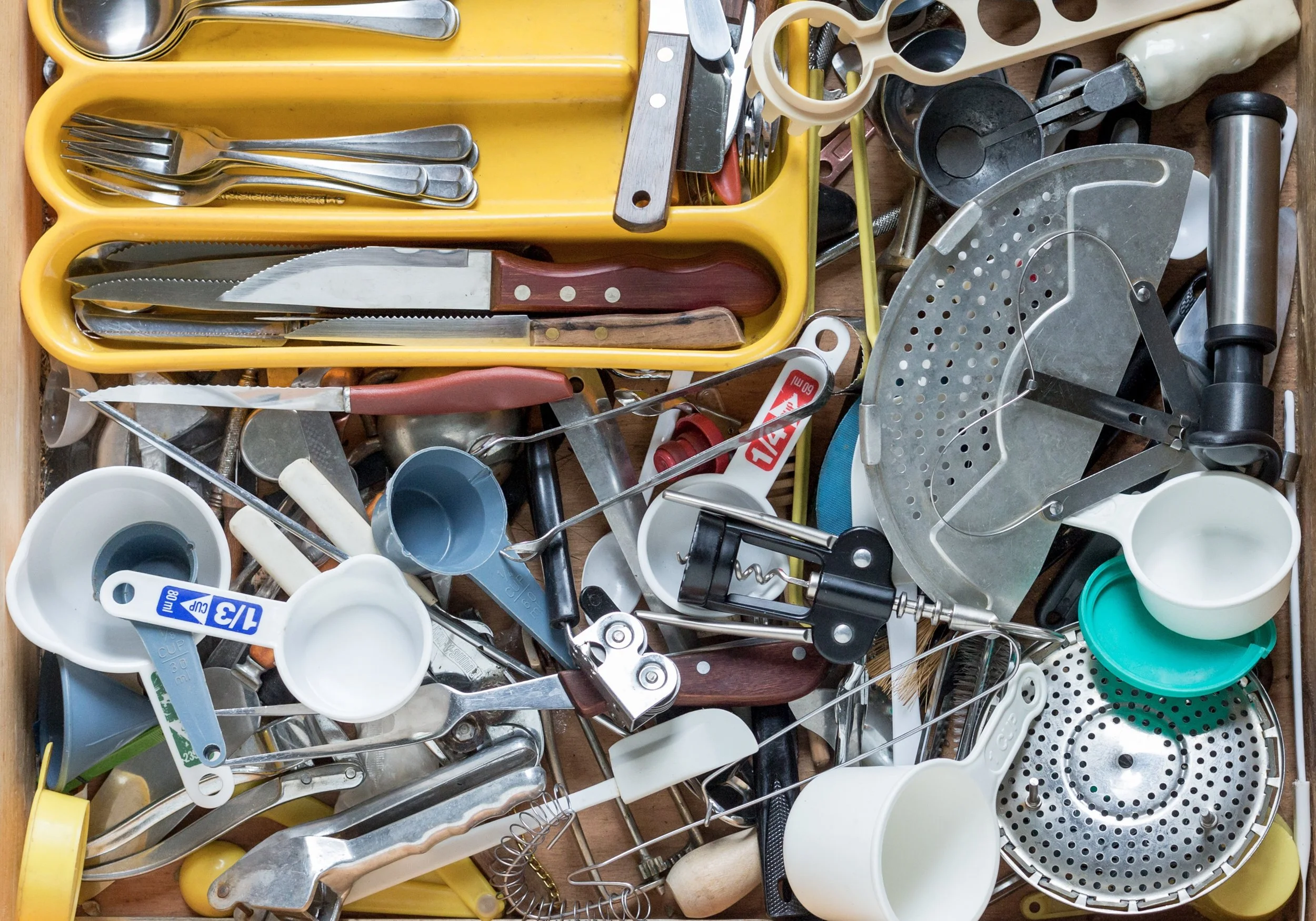
Junk drawers (yes, plural)
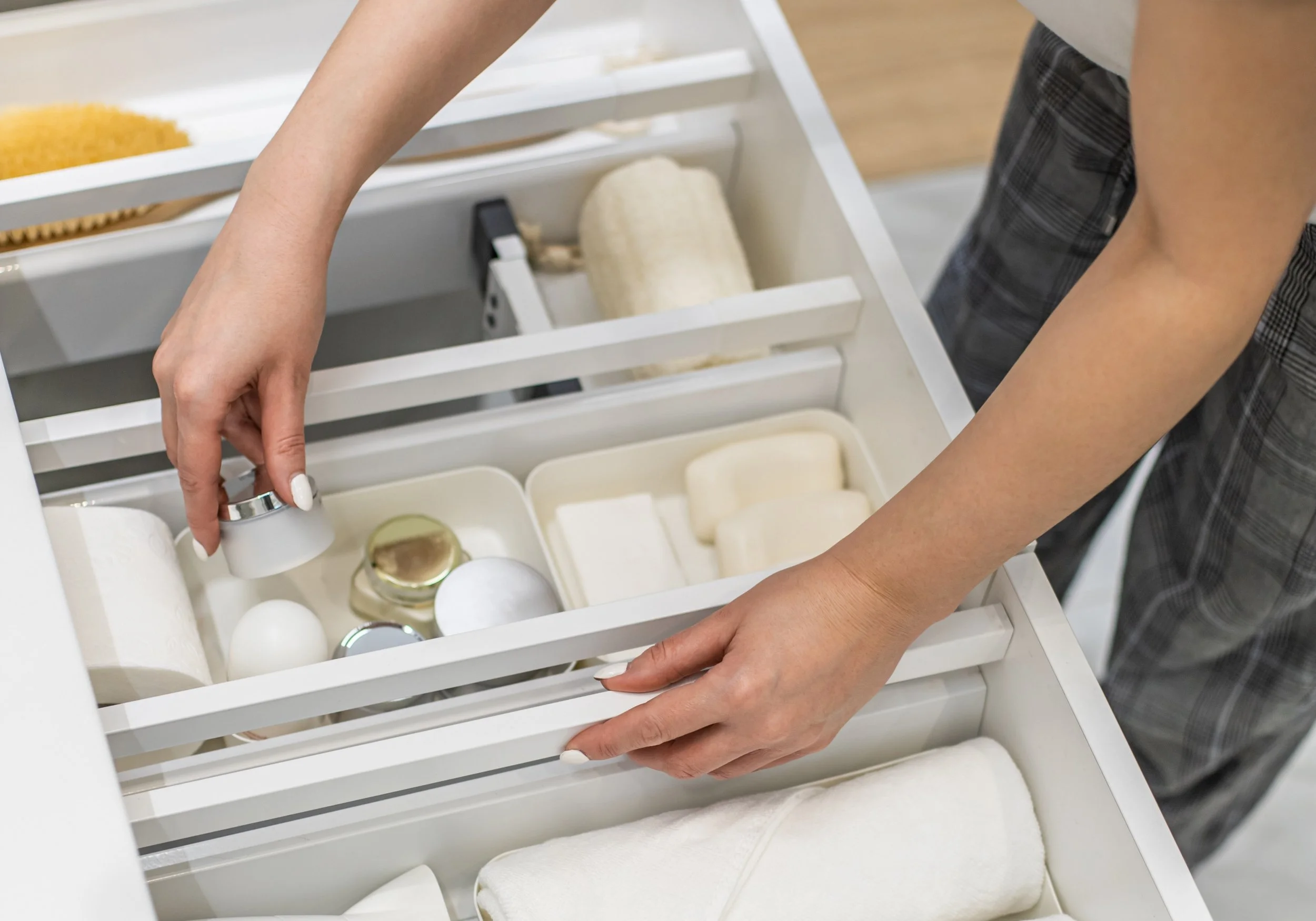
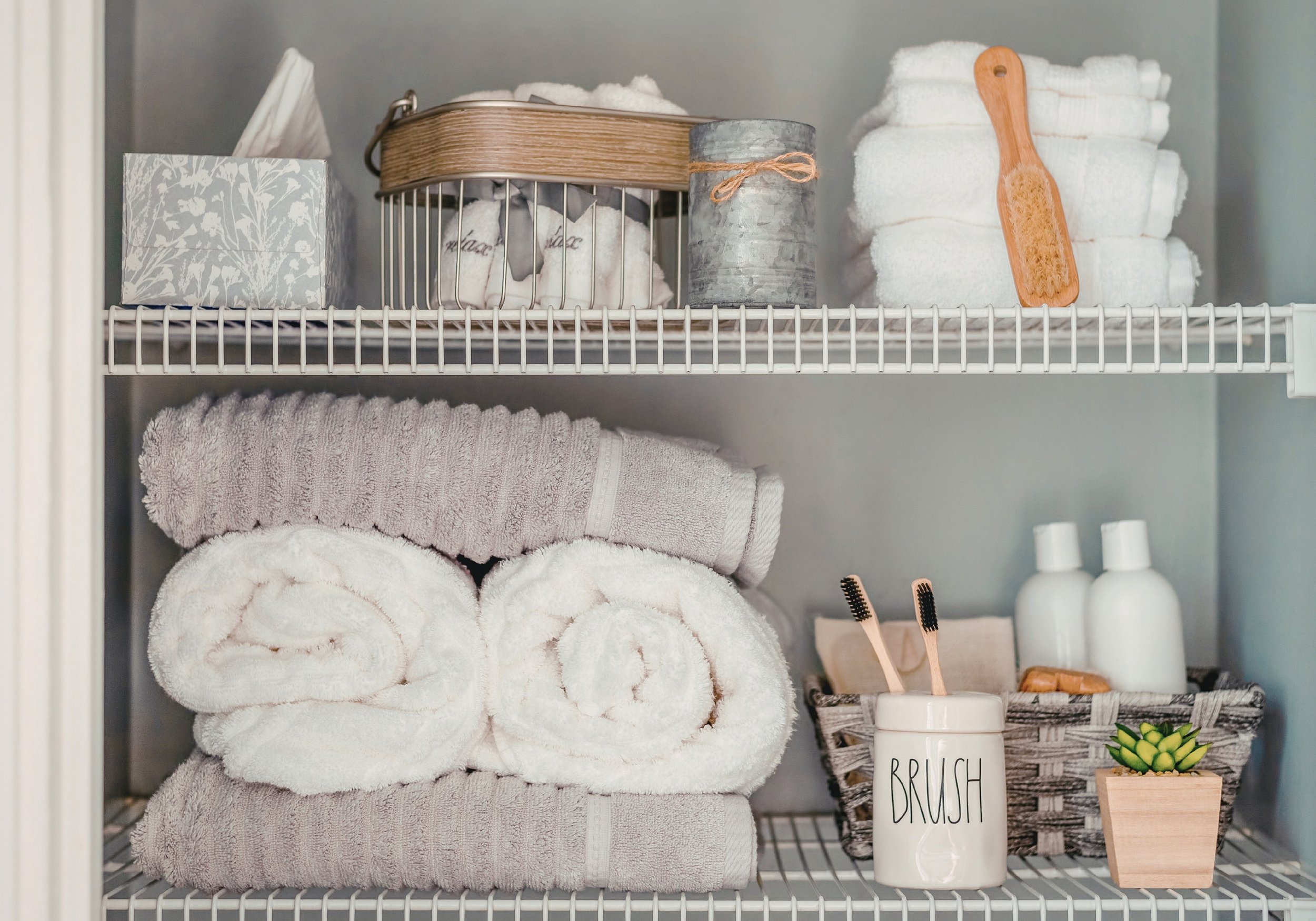
Linen closets
Bathroom cabinets
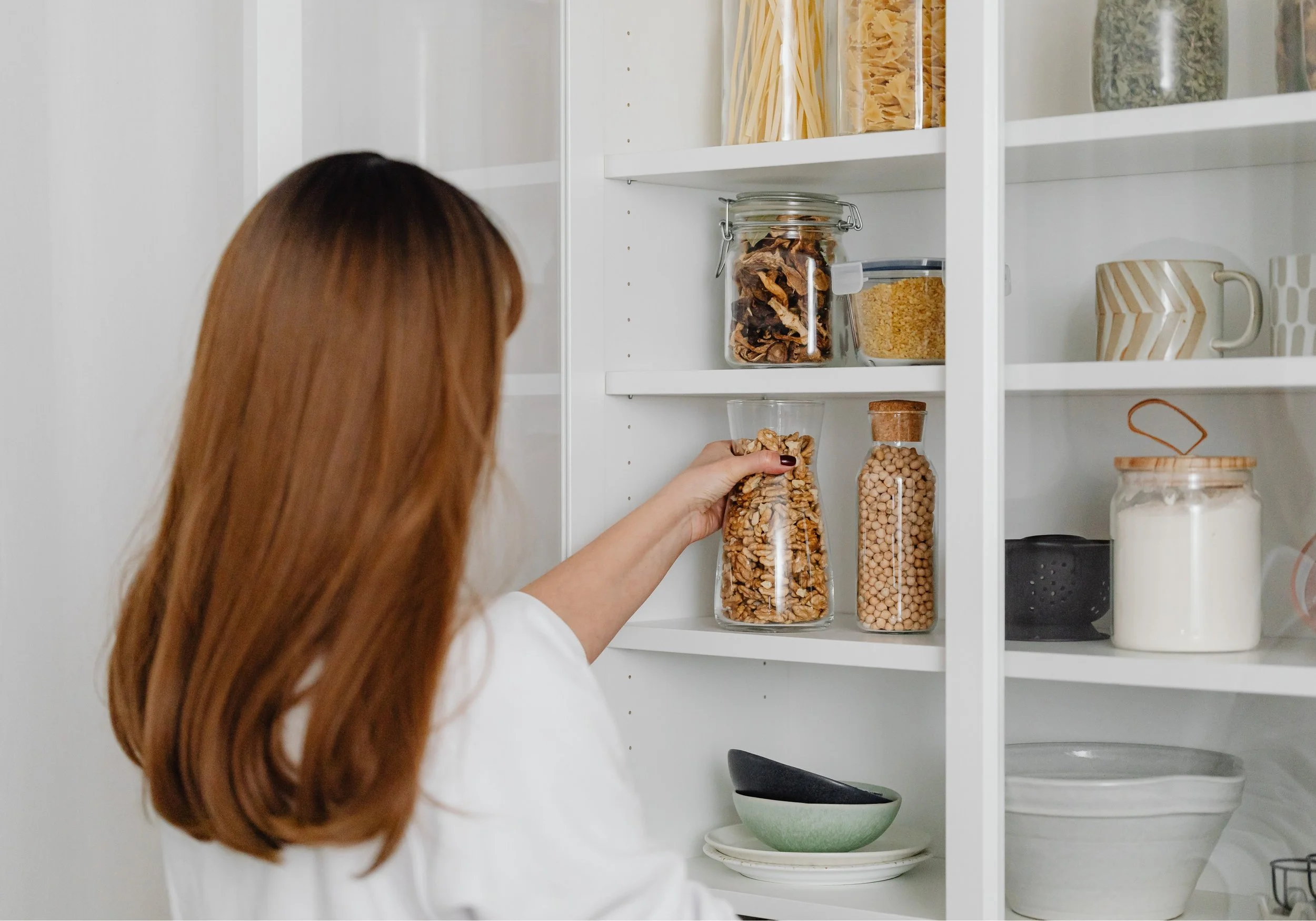
Pantry & food storage
How to Declutter Each Zone:
Empty the entire space…take it ALL out…every item.
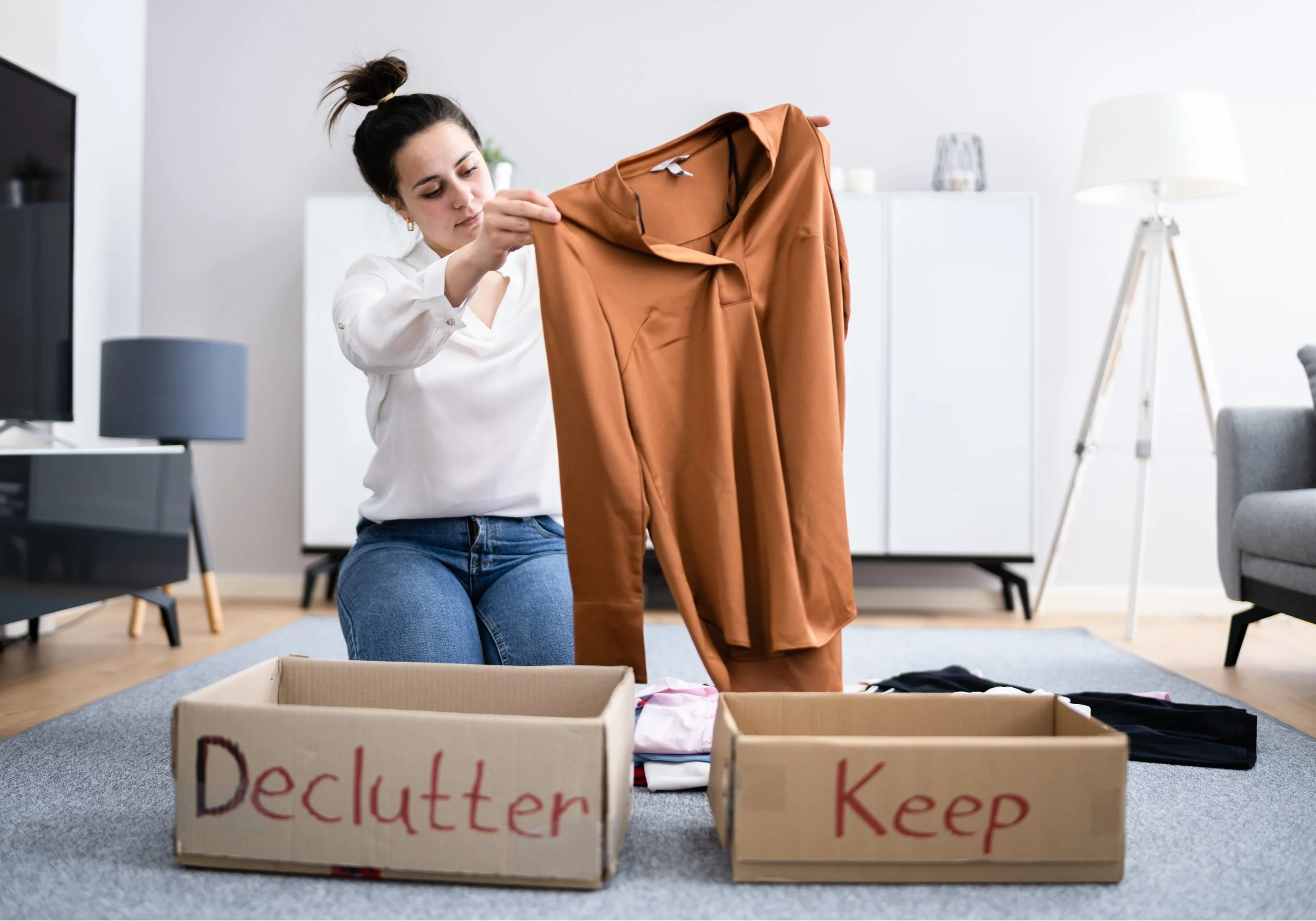
Touch each item — no exceptions. Look at it all. Consider it all.
Sort into four piles:
Keep
Donate
Trash/Recycling
Relocate/Repurpose
Only return/keep what earns its place. Be very intentional.
Mindset Shift:
If you haven’t used it in a year and it doesn’t serve your current life, it’s okay to let it go.
Month 2: The Emotional Zones (Where Growth Happens)
Focus Areas:
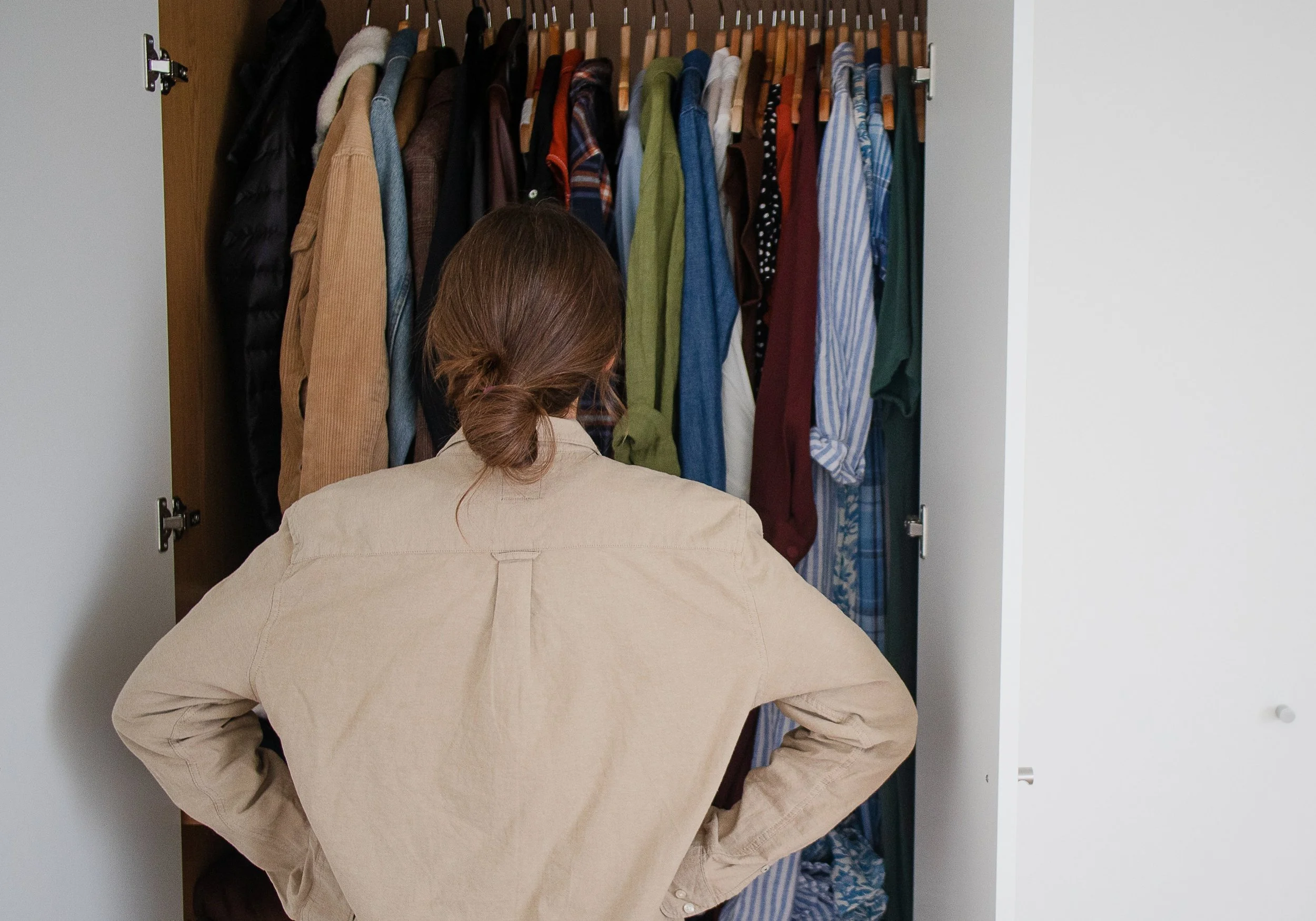
Closets (all of them)
Dressers
Bookshelves
Storage bins
Home office & paperwork
Ask These Questions:
Do I love this?
Do I use this?
Does this represent who I am now, not who I used to be?
Clothing you don’t wear, books you’ll never reread, papers you “might need someday”…they quietly drain energy.
PRO TIP:
Photograph sentimental items you don’t have space for. You keep the memory without the clutter.
Month 3: The Big Stuff (Where Space Expands)
This final phase delivers the biggest visual payoff, and often the biggest relief.
Focus Areas:
Garage
Attic
Storage rooms
Guest rooms
Furniture & décor
Now that your decision-making muscle is strong, these areas feel far less intimidating.
This is also where many people realize:
I don’t need to move all this into my next chapter.
That’s powerful!
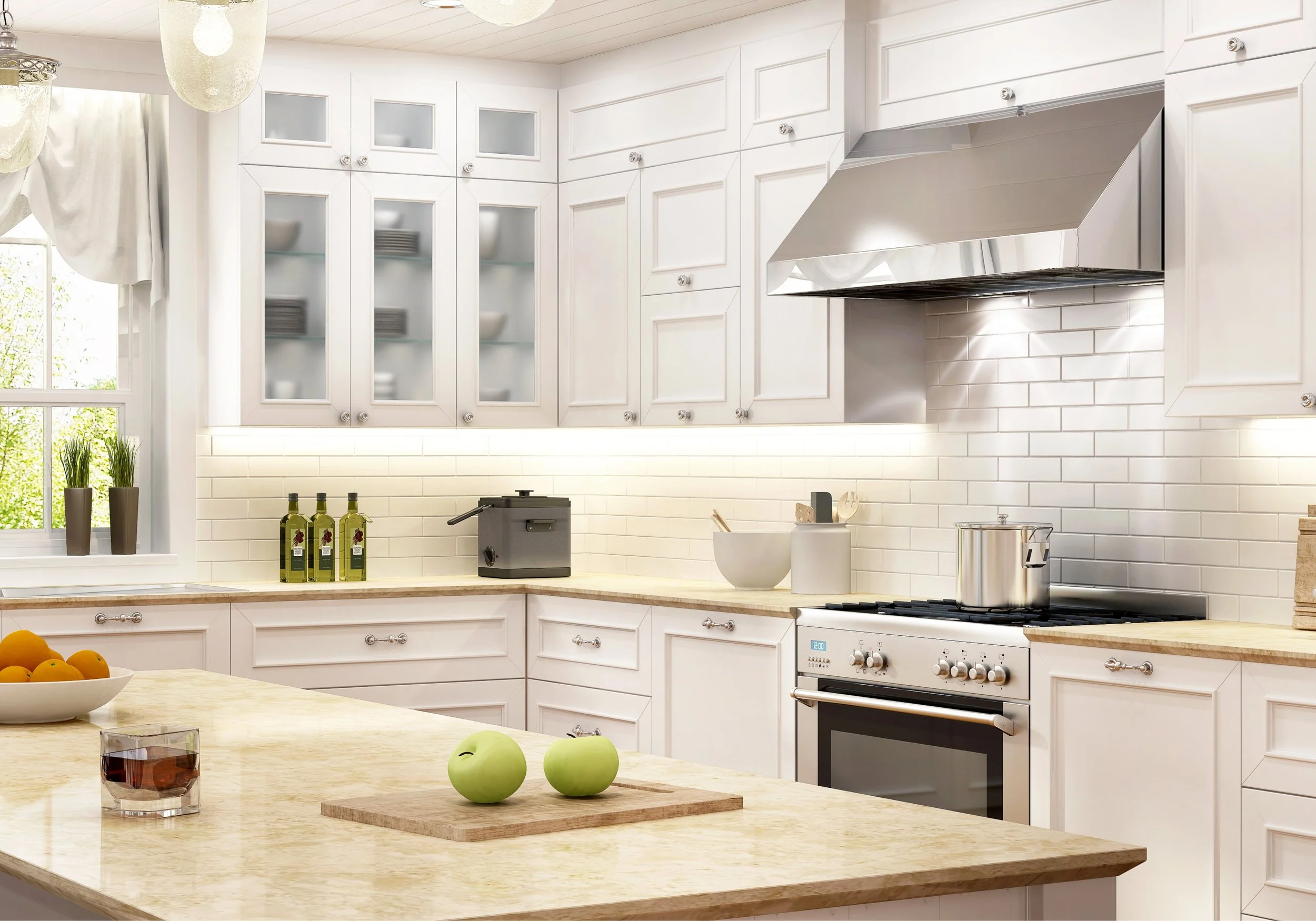
Inspiration:
How to Declutter Your Entire Home in 3 Months
Make It a Lifestyle, Not a Punishment
Light a candle or play music while decluttering
Work in 30–60 minute sessions
Celebrate progress, not perfection
Create a “Donation Flow”
Keep labeled donation bins in your home.
Schedule regular drop-offs.
Give items a new purpose, instead of guilt.
Use the “One-Touch Rule”
Once you pick something up, decide immediately:
Keep. Donate. Release.
No “I’ll think about it later.”
Declutter by Season of Life
Your home should support the life you’re living now, not a version of you from five years ago.
Declutter Before You Move (or Even If You’re Not)
Moving is one of the most powerful declutter catalysts.
Even if you’re not relocating yet, decluttering like you are creates clarity and lightness.
Let Empty Space Be the Goal
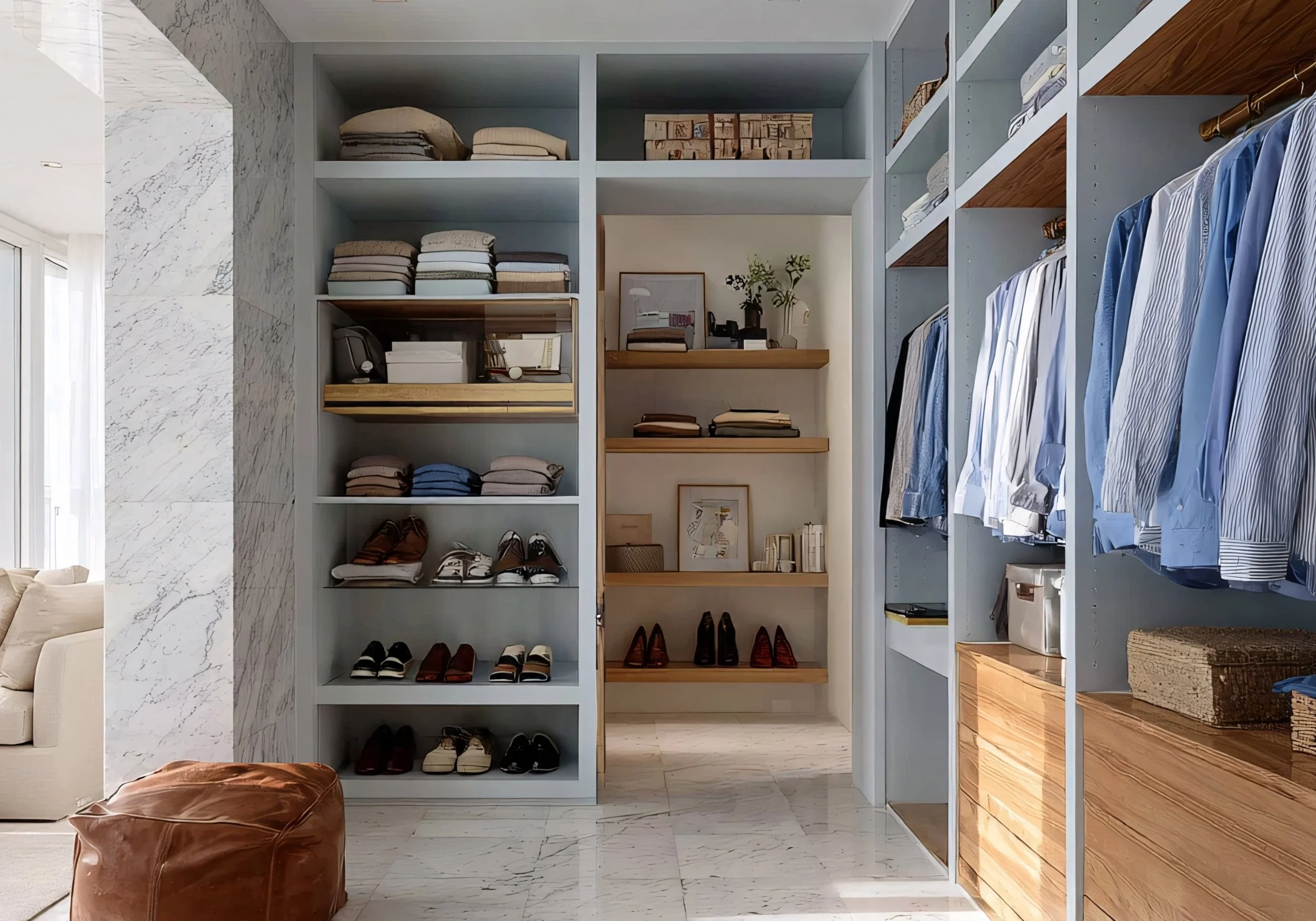
Empty shelves and open drawers aren’t “unfinished.” They’re room to breathe.
A Better Tripp’s Perspective:
Decluttering Makes Every Move Better
At A Better Tripp Moving & Storage, we see it every day:
The easiest moves — emotionally and physically — belong to clients who declutter with intention before they pack.
Less stuff means:
Faster packing
Lower moving costs
Easier unpacking
A calmer transition
Whether you’re staying put or planning your next chapter, decluttering is one of the kindest things you can do for yourself. It’s about making space for peace, clarity, creativity, and ease.
This year, don’t rush it. Touch every item. Honor your journey. Keep what supports you. Release what doesn’t.
If a move is part of your next chapter — A Better Tripp is here to help you carry only what truly belongs.
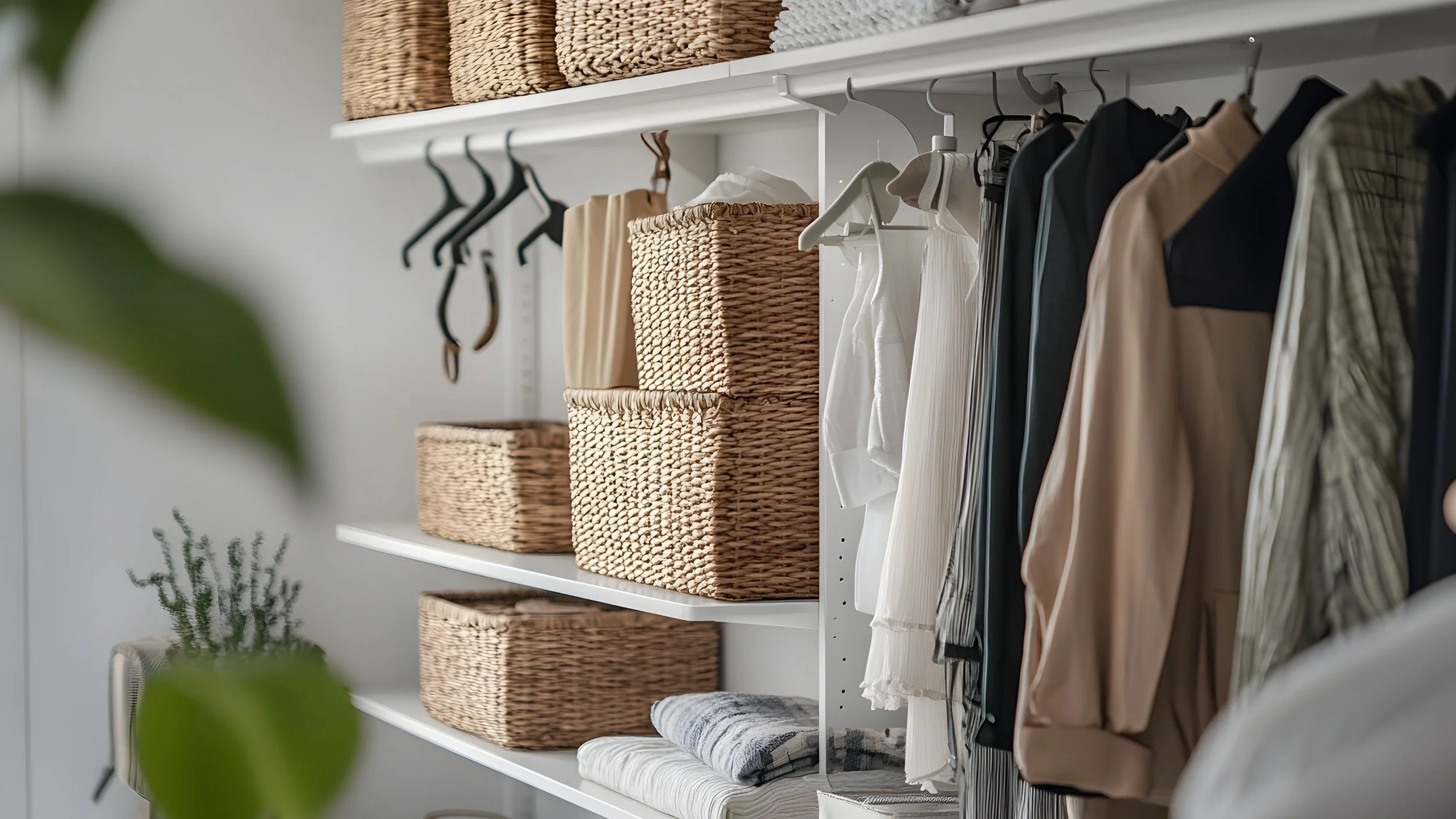
decluttering your home | new year declutter | home organization tips | declutter before moving | fresh start home | how to declutter entire house | moving and decluttering | home reset | minimalist lifestyle